Cuplok Scaffolding System: Features, Benefits, And Uses In Construction

Cuplok Scaffolding System: Features, Benefits, And Uses In Construction

Introduction

The cuplok scaffolding system has become a popular choice in modern construction. Contractors across Pakistan prefer it because it offers strength, flexibility, and quick assembly. As construction projects grow in complexity, builders need reliable scaffolding systems that improve efficiency and safety.

Therefore, many companies now use the cuplok system instead of traditional scaffolding methods. It not only saves time but also ensures strong structural support.

In this guide, you will learn about the features, benefits, and uses of the cuplok scaffolding system in construction.


What Is Cuplok Scaffolding System?

The cuplok scaffolding system is a modular scaffolding solution that uses a unique locking mechanism. It includes vertical standards and horizontal ledgers that connect through a cup-and-blade system. As a result, workers can assemble and dismantle the structure quickly without complicated tools.

Moreover, this system provides high stability, which makes it suitable for both small and large construction projects.


Key Features Of Cuplok Scaffolding System


1. Unique Locking Mechanism

First, the cuplok system uses a simple cup-and-blade locking method. Workers can lock multiple components in one action.

As a result, this feature speeds up installation and reduces labor effort.


2. High Load Capacity

In addition, cuplok scaffolding offers excellent load-bearing strength. It can support heavy construction materials and workers at height.

Therefore, contractors use it for demanding projects.


3. Quick Assembly And Dismantling

Furthermore, workers can assemble the cuplok system faster than traditional scaffolding. They do not need bolts or nuts, which simplifies the process.

Because of this, construction teams save both time and labor costs.


4. Versatile Design

Another important feature is its flexibility. You can use the cuplok system in different structures and layouts.

For example, it works well for curved buildings, circular tanks, and complex structures.


5. Durable And Long-Lasting

Most cuplok systems use high-quality steel with protective coatings. As a result, they resist wear and harsh weather conditions.

Therefore, they last longer and provide better value over time.


Benefits Of Cuplok Scaffolding System


1. Improved Safety

Safety plays a major role in construction. The cuplok system provides strong joints and stable platforms.

As a result, it reduces the risk of accidents on-site.


2. Time Efficiency

Because of its quick locking system, workers complete setup faster. Consequently, projects move forward without delays.


3. Cost-Effective Solution

Although the initial investment may seem higher, the system reduces labor costs and maintenance expenses. Therefore, it becomes cost-effective in the long run.


4. Reduced Labor Requirement

Since the system is easy to assemble, fewer workers are needed. In addition, it minimizes manual effort and increases productivity.


5. Multi-Purpose Use

Contractors can use cuplok scaffolding for different applications. As a result, it becomes a versatile solution for various industries.

Cuplok Scaffolding System: Features, Benefits, And Uses In Construction

Uses Of Cuplok Scaffolding In Construction


1. Building Construction

Builders widely use cuplok scaffolding for residential and commercial projects. It provides stable platforms for workers at different heights.


2. Bridge And Infrastructure Projects

Engineers use this system in bridge construction because it handles heavy loads efficiently.


3. Industrial Maintenance

Industries rely on cuplok scaffolding for maintenance and repair work. It allows safe access to complex structures.


4. Formwork Support

Contractors use cuplok systems to support slabs and beams during concrete work. Therefore, it plays a key role in structural support.


5. Circular And Complex Structures

The flexible design allows use in tanks, chimneys, and curved buildings. As a result, it adapts to challenging project requirements.


Why Cuplok Scaffolding Is Popular In Pakistan

In Pakistan, construction projects require reliable and efficient solutions. Therefore, contractors prefer cuplok scaffolding due to its strength and ease of use.

Moreover, it performs well in different weather conditions, including humid environments like Karachi. As a result, it offers long-term durability and consistent performance.

Because of these advantages, the cuplok system continues to gain popularity in the local construction industry.


FAQs

1. What makes cuplok scaffolding different from traditional systems?

The cuplok system uses a unique locking mechanism, which allows faster assembly and stronger connections.


2. Is cuplok scaffolding safe to use?

Yes, it provides high stability and secure joints. Therefore, it ensures safe working conditions when used correctly.


3. Where is cuplok scaffolding commonly used?

It is used in building construction, bridges, industrial maintenance, and formwork support.


4. Is cuplok scaffolding expensive?

It may cost more initially. However, it saves money over time due to durability and reduced labor costs.


5. Can cuplok scaffolding be reused?

Yes, it is highly durable and designed for repeated use in multiple projects.


Conclusion

The cuplok scaffolding system offers a modern and efficient solution for construction projects. It combines strength, safety, and flexibility, which makes it suitable for various applications.

Because of its quick assembly, high load capacity, and long-term durability, contractors prefer it over traditional scaffolding systems. Moreover, it improves productivity and reduces overall project costs.

In conclusion, if you want a reliable and cost-effective scaffolding solution in Pakistan, the cuplok system is an excellent choice for both small and large construction projects.
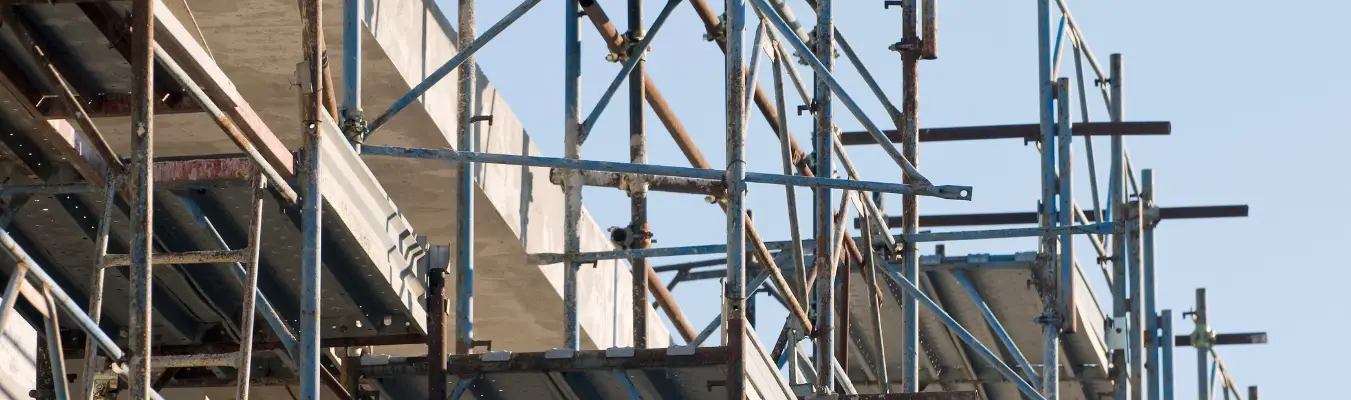
Aluminium vs Steel Scaffolding: Which One Is Better for Pakistani Construction Projects

Introduction

Choosing the right scaffolding is essential for every construction project in Pakistan. Whether you are working on residential buildings, commercial sites, or industrial maintenance, the type of scaffolding you use directly impacts safety, efficiency, and cost.

Aluminium and steel scaffolding are the two most common options available in the Pakistani market. Each material offers unique benefits, but selecting the right one depends on your project requirements.

In this guide, we will compare aluminium vs steel scaffolding in Pakistan to help you make an informed decision.


What is Aluminium Scaffolding?

Aluminium scaffolding is a lightweight and corrosion-resistant system widely used in modern construction. It is especially popular for projects that require frequent movement and quick assembly.

Key Features of Aluminium Scaffolding

  • Lightweight and easy to transport
  • Rust-resistant and weather-friendly
  • Quick assembly and dismantling
  • Ideal for maintenance and indoor work

As a result, aluminium scaffolding is commonly used for electrical work, painting, and cleaning projects.

What is Steel Scaffolding?

Steel scaffolding is a traditional and heavy-duty solution used in large-scale construction projects. It is known for its strength and load-bearing capacity.

Key Features of Steel Scaffolding

  • Strong and highly durable
  • Suitable for heavy loads
  • Cost-effective for long-term use
  • Commonly used in high-rise construction

Therefore, steel scaffolding is often preferred for infrastructure and large building projects.

Aluminium vs Steel Scaffolding: Which One Is Better for Pakistani Construction Projects

Aluminium vs Steel Scaffolding: Key Differences

Understanding the differences between aluminium and steel scaffolding helps contractors choose the right system.

1. Weight and Mobility

  • Aluminium scaffolding is lightweight and easy to move
  • Steel scaffolding is heavy and requires more labor

👉 Aluminium is better for projects that require mobility


2. Strength and Load Capacity

  • Steel scaffolding can handle heavier loads
  • Aluminium scaffolding is strong but designed for lighter tasks

👉 Steel is ideal for heavy-duty construction


3. Corrosion Resistance

  • Aluminium does not rust and performs well in humid conditions
  • Steel can rust if not properly maintained

👉 Aluminium is better for long-term outdoor use


4. Cost and Maintenance

  • Aluminium scaffolding has a higher initial cost
  • Steel scaffolding is cheaper but requires maintenance

👉 Aluminium saves money in the long run


5. Safety and Ease of Use

  • Aluminium scaffolding is easier to assemble and safer for quick jobs
  • Steel scaffolding requires skilled labor

👉 Aluminium improves efficiency and reduces risk


Aluminium vs Steel Scaffolding: Which One Is Better for Pakistani Construction Projects

Which Scaffolding is Better for Pakistan?

The choice between aluminium and steel scaffolding depends on your project type.

Choose Aluminium Scaffolding If:

  • You need quick setup and mobility
  • Your project involves maintenance or indoor work
  • You want a rust-free and low-maintenance solution

Choose Steel Scaffolding If:

  • You are working on heavy construction projects
  • High load capacity is required
  • Budget is limited in the short term

In Pakistan, aluminium scaffolding is becoming more popular due to its convenience and safety benefits.


Advantages of Aluminium Scaffolding in Pakistan

  • Perfect for urban construction and maintenance
  • Easy to transport between sites
  • Requires less labor
  • Long-lasting in coastal areas like Karachi

Because of these advantages, many contractors are shifting toward aluminium systems.

FAQs

1. Is aluminium scaffolding strong enough for construction?

Yes, aluminium scaffolding is strong and suitable for most maintenance and light construction tasks. However, for heavy-duty work, steel may be preferred.

2. Which scaffolding is more cost-effective in Pakistan?

Steel scaffolding has a lower upfront cost. However, aluminium scaffolding is more cost-effective in the long term due to low maintenance.

3. Does aluminium scaffolding rust?

No, aluminium scaffolding is corrosion-resistant and does not rust, making it ideal for humid environments.

4. Which scaffolding is safer?

Both are safe when used correctly. However, aluminium scaffolding is easier to assemble, which reduces the risk of installation errors.

5. Where is aluminium scaffolding commonly used?

It is widely used for painting, cleaning, electrical work, and maintenance projects.


🌍 Why Choose Pak Scaffolding?

Based in Karachi, Pakistan, Pak Scaffolding is a leading manufacturer and exporter of premium-quality aluminum scaffolding towers with a strong presence in:

🇵🇰 Pakistan | 🇸🇦 Saudi Arabia | 🇦🇪 UAE

🔹 Services Offered:

  • Custom tower design and manufacturing
  • Site inspection and scaffold planning
  • Tower rentals and delivery
  • Erection and dismantling support
  • Safety audits and technical training


Conclusion

Both aluminium and steel scaffolding have their own advantages. Steel scaffolding offers strength and is suitable for heavy construction. On the other hand, aluminium scaffolding provides flexibility, safety, and long-term value.

For most modern construction projects in Pakistan, aluminium scaffolding is the better choice due to its lightweight design, corrosion resistance, and ease of use.

Before making a final decision, always consider your project requirements, budget, and safety standards. Choosing the right scaffolding system will improve efficiency and ensure a safer working environment.