
Introduction
Choosing the right scaffolding is essential for every construction project in Pakistan. Whether you are working on residential buildings, commercial sites, or industrial maintenance, the type of scaffolding you use directly impacts safety, efficiency, and cost.
Aluminium and steel scaffolding are the two most common options available in the Pakistani market. Each material offers unique benefits, but selecting the right one depends on your project requirements.
In this guide, we will compare aluminium vs steel scaffolding in Pakistan to help you make an informed decision.
What is Aluminium Scaffolding?
Aluminium scaffolding is a lightweight and corrosion-resistant system widely used in modern construction. It is especially popular for projects that require frequent movement and quick assembly.
Key Features of Aluminium Scaffolding
- Lightweight and easy to transport
- Rust-resistant and weather-friendly
- Quick assembly and dismantling
- Ideal for maintenance and indoor work
As a result, aluminium scaffolding is commonly used for electrical work, painting, and cleaning projects.
What is Steel Scaffolding?
Steel scaffolding is a traditional and heavy-duty solution used in large-scale construction projects. It is known for its strength and load-bearing capacity.
Key Features of Steel Scaffolding
- Strong and highly durable
- Suitable for heavy loads
- Cost-effective for long-term use
- Commonly used in high-rise construction
Therefore, steel scaffolding is often preferred for infrastructure and large building projects.
Aluminium vs Steel Scaffolding: Key Differences
Understanding the differences between aluminium and steel scaffolding helps contractors choose the right system.
1. Weight and Mobility
- Aluminium scaffolding is lightweight and easy to move
- Steel scaffolding is heavy and requires more labor
👉 Aluminium is better for projects that require mobility
2. Strength and Load Capacity
- Steel scaffolding can handle heavier loads
- Aluminium scaffolding is strong but designed for lighter tasks
👉 Steel is ideal for heavy-duty construction
3. Corrosion Resistance
- Aluminium does not rust and performs well in humid conditions
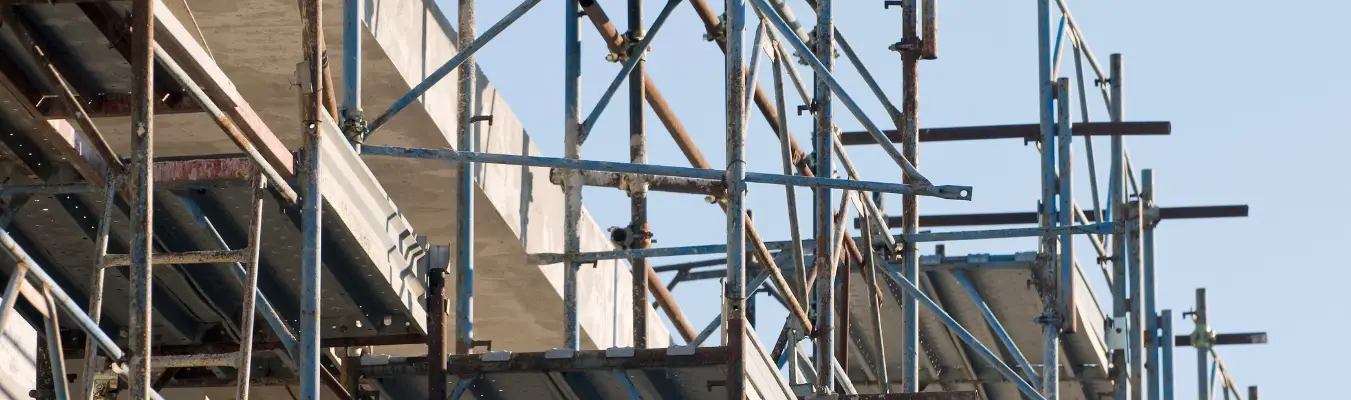
- Steel can rust if not properly maintained
👉 Aluminium is better for long-term outdoor use
4. Cost and Maintenance
- Aluminium scaffolding has a higher initial cost
- Steel scaffolding is cheaper but requires maintenance
👉 Aluminium saves money in the long run
5. Safety and Ease of Use
- Aluminium scaffolding is easier to assemble and safer for quick jobs
- Steel scaffolding requires skilled labor
👉 Aluminium improves efficiency and reduces risk
Which Scaffolding is Better for Pakistan?
The choice between aluminium and steel scaffolding depends on your project type.
Choose Aluminium Scaffolding If:
- You need quick setup and mobility
- Your project involves maintenance or indoor work
- You want a rust-free and low-maintenance solution
Choose Steel Scaffolding If:
- You are working on heavy construction projects
- High load capacity is required
- Budget is limited in the short term
In Pakistan, aluminium scaffolding is becoming more popular due to its convenience and safety benefits.
Advantages of Aluminium Scaffolding in Pakistan
- Perfect for urban construction and maintenance
- Easy to transport between sites
- Requires less labor
- Long-lasting in coastal areas like Karachi
Because of these advantages, many contractors are shifting toward aluminium systems.
FAQs
1. Is aluminium scaffolding strong enough for construction?
Yes, aluminium scaffolding is strong and suitable for most maintenance and light construction tasks. However, for heavy-duty work, steel may be preferred.
2. Which scaffolding is more cost-effective in Pakistan?
Steel scaffolding has a lower upfront cost. However, aluminium scaffolding is more cost-effective in the long term due to low maintenance.
3. Does aluminium scaffolding rust?
No, aluminium scaffolding is corrosion-resistant and does not rust, making it ideal for humid environments.
4. Which scaffolding is safer?
Both are safe when used correctly. However, aluminium scaffolding is easier to assemble, which reduces the risk of installation errors.
5. Where is aluminium scaffolding commonly used?
It is widely used for painting, cleaning, electrical work, and maintenance projects.

🌍 Why Choose Pak Scaffolding?
Based in Karachi, Pakistan, Pak Scaffolding is a leading manufacturer and exporter of premium-quality aluminum scaffolding towers with a strong presence in:
🇵🇰 Pakistan | 🇸🇦 Saudi Arabia | 🇦🇪 UAE
🔹 Services Offered:
- Custom tower design and manufacturing
- Site inspection and scaffold planning
- Tower rentals and delivery
- Erection and dismantling support
- Safety audits and technical training
Conclusion
Both aluminium and steel scaffolding have their own advantages. Steel scaffolding offers strength and is suitable for heavy construction. On the other hand, aluminium scaffolding provides flexibility, safety, and long-term value.
For most modern construction projects in Pakistan, aluminium scaffolding is the better choice due to its lightweight design, corrosion resistance, and ease of use.
Before making a final decision, always consider your project requirements, budget, and safety standards. Choosing the right scaffolding system will improve efficiency and ensure a safer working environment.
Add a Comment