
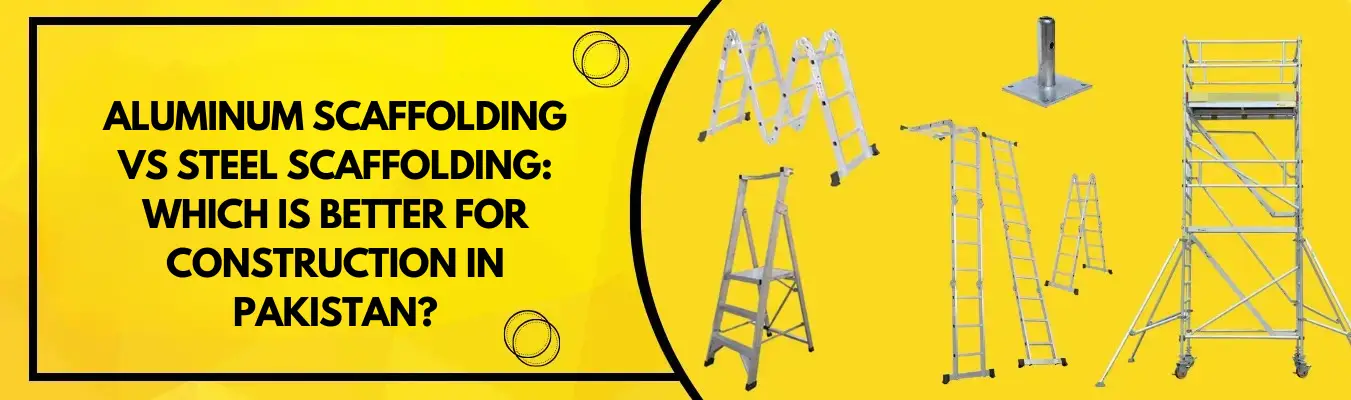
In the fast-growing construction landscape of Pakistan, choosing the right scaffolding system is more than a technical decision — it affects project timelines, worker safety, cost efficiency, and long-term performance. Two of the most widely used scaffolding materials in the industry are aluminum and steel. But which option truly delivers better results for construction projects in Pakistan’s diverse environments and budgets?
In this comprehensive blog, we’ll compare aluminum and steel scaffolding across multiple criteria — from strength and durability to cost, versatility, safety, and local availability. Whether you’re a contractor, builder, engineer, or project manager, you’ll get actionable insights to make the best choice.
We’ll also introduce you to Pak Scaffolding (https://www.pakscaffolding.com/), a trusted provider of high-quality scaffolding solutions in Pakistan, and answer common questions contractors ask before making a decision.
what is scaffolding and why it matters in construction
Scaffolding is a temporary framework used to support workers, tools, and materials during the construction, repair, or maintenance of buildings and structures. It provides a safe working platform at height and enables tasks that would otherwise be dangerous or impossible.
In Pakistan’s construction industry — which includes high-rise buildings, bridges, industrial facilities, and residential complexes — effective scaffolding is crucial for:
- Worker safety and compliance with standards
- Efficient workflow and accessibility
- Project timelines and cost management
- Structural support during complex operations
The two most popular materials for modern scaffolding are aluminum and steel, each with its own strengths and limitations.
introducing pak scaffolding — reliable scaffolding solutions in pakistan
Before we dive into the comparison, it’s important to highlight one of Pakistan’s leading scaffolding suppliers — Pak Scaffolding.
👉 Visit: https://www.pakscaffolding.com/
Pak Scaffolding specializes in high-quality scaffolding systems, accessories, and installation support tailored for the needs of local builders and contractors. They offer both aluminum and steel scaffolding solutions, engineered to meet safety standards and designed for durability in Pakistan’s climate.
With industry experience, timely delivery, and customer-oriented service, Pak Scaffolding has become a go-to partner for construction projects across Karachi, Lahore, Islamabad, and other major cities.
Whether you need lightweight aluminum towers or heavy-duty steel frames — Pak Scaffolding has you covered.
aluminum scaffolding vs steel scaffolding — a detailed comparison
To decide which material is more suitable for your project, let’s compare them across critical factors.
1. weight and portability
Aluminum scaffolding:
- Extremely lightweight compared to steel
- Easier to transport, install, and reposition
- Reduces labor effort and setup time
Because aluminum weighs up to 70% less than steel, workers can assemble sections without heavy equipment. This is especially useful on fast-paced sites where scaffold platforms must be moved frequently.
Steel scaffolding:
- Heavier and more rigid
- Requires more effort and equipment to transport
- More challenging to move and reposition
While steel’s weight contributes to strength, it makes the system less convenient for projects requiring frequent adjustments.
winner for portability: aluminum scaffolding
2. strength and load-bearing capacity
Steel scaffolding:
- Higher tensile strength than aluminum
- Excellent load-bearing capacity
- Ideal for heavy construction tasks
Steel’s natural rigidity makes it a preferred choice for projects involving heavy loads, industrial structures, and extended durations. When extremely high load capacity is a priority, steel often outperforms aluminum.
Aluminum scaffolding:
- Lighter but adequate strength for many applications
- Best suited for medium-duty tasks and general construction
- Can be reinforced for higher loads
winner for strength: steel scaffolding (for heavy loads)
3. corrosion resistance and weather performance
Pakistan experiences diverse weather — from humid coastal conditions in Karachi to hot dry heat in interior Sindh and Punjab. Corrosion resistance plays a critical role in material longevity.
Aluminum scaffolding:
- Naturally corrosion-resistant
- Does not rust in humid or coastal environments
- Requires minimal protective coating
Steel scaffolding:
- Prone to rust without proper treatment
- Needs galvanization or protective coatings
- Maintenance can increase lifecycle cost
In coastal regions like Karachi and Gwadar, aluminum holds a clear advantage due to its resistance to rust and long-term performance in moist air conditions.
winner for corrosion resistance: aluminum scaffolding
4. cost comparison
Initial purchase cost:
- Steel: Generally lower upfront material cost
- Aluminum: Higher upfront cost due to material and manufacturing
Lifecycle cost:
- Steel: May incur maintenance costs (anti-rust coating, repairs)
- Aluminum: Lower maintenance, often longer lifespan
Though aluminum may cost more at the start, its low maintenance and durability can lead to reduced long-term expenses.
winner for overall cost: depends on project type and duration
- Short projects: steel may be cheaper
- Longer projects or reuse cycles: aluminum may be more cost-effective
5. installation time and labor
Aluminum scaffolding:
- Quicker to assemble due to lightweight nature
- Reduces labor fatigue and setup time
- Improves workflow on busy construction sites
Steel scaffolding:
- Slower assembly
- Requires more workers or equipment
- More time-intensive adjustments
For fast-paced timelines — especially in urban builds — aluminum often offers practical time savings.
winner for installation speed: aluminum scaffolding
6. safety performance
Both aluminum and steel scaffolding can be designed with robust safety features like guardrails, toe boards, and secure couplers. However:
- Aluminum’s lighter weight reduces strain and risk during assembly
- Steel’s rigidity may offer more stability under extreme loads
Safety always depends on proper installation, inspection, and use of certified components — regardless of material.
winner for overall safety: tie (with proper protocols)
7. reuse and resale value
Aluminum scaffolding:
- Easier to disassemble and reuse for future projects
- Strong resale market due to light, corrosion-free condition
Steel scaffolding:
- Good resale but may degrade faster due to corrosion
- More effort required to refurbish
If you plan to reuse or resell your scaffolding equipment after a project, aluminum often retains better value.
winner for reuse & resale: aluminum scaffolding
when to choose aluminum scaffolding
Aluminum scaffolding is ideal if your project:
✅ requires mobility and frequent repositioning
✅ needs fast assembly and teardown
✅ is in coastal or humid areas
✅ needs lower maintenance scaffolding
✅ has medium-duty load requirements
Examples of perfect use cases:
✔ residential buildings
✔ renovation projects
✔ interiors and light residential lifts
✔ commercial office fit-outs
✔ anywhere rust resistance is needed
when to choose steel scaffolding
Steel scaffolding is the better choice if your project:
🔥 involves heavy loads
🔥 requires extremely rigid support
🔥 is industrial or infrastructure-focused
🔥 budget limits initial material cost
Examples:
✔ bridges and highway projects
✔ heavy civil construction
✔ long-span industrial buildings
✔ very tall structures with heavy material transfer
benefits of aluminum scaffolding in pakistan
⚡ lightweight and easy handling
Aluminum scaffolding panels are significantly lighter than steel — making installation faster and reducing labor efforts.
🌊 excellent corrosion resistance
No rust even in coastal cities like Karachi or humid monsoon conditions.
🛠 low maintenance
No need for painting or anti-corrosion treatments.
⏱ increased efficiency
Quick setup, teardown, and repositioning save time and cost.
💰 better long-term investment
Higher reuse potential and resale value.
📈 ergonomic advantage
Workers experience less fatigue during assembly and disassembly.
These advantages make aluminum a top choice for many modern construction projects across Pakistan.

🌍 Why Choose Pak Scaffolding?
Based in Karachi, Pakistan, Pak Scaffolding is a leading manufacturer and exporter of premium-quality aluminum scaffolding towers with a strong presence in:
🇵🇰 Pakistan | 🇸🇦 Saudi Arabia | 🇦🇪 UAE
frequently asked questions (faqs)
1. is aluminum scaffolding strong enough for heavy construction?
Aluminum scaffolding is strong and safe for many types of construction tasks. However, for extremely heavy loads — like industrial or infrastructure projects — steel may provide higher load capacity. Aluminum can be reinforced with extra bracing if needed.
2. which type of scaffolding is cheaper in pakistan?
Steel scaffolding usually has a lower upfront cost, but aluminum may save money over time due to lower maintenance and longer lifespan. The best choice depends on project duration and usage frequency.
3. how long does aluminum scaffolding last?
With proper use and storage, aluminum scaffolding can last 10+ years or more, especially because it doesn’t rust or corrode easily.
4. can aluminum scaffolding be reused many times?
Yes. One of aluminum’s biggest advantages is its durability and lightweight composition, which makes it easy to dismantle and reuse across multiple projects.
5. is aluminum scaffolding safe in extreme weather?
Yes. Aluminum scaffolding performs well in heat, rain, and coastal humidity. However, like all scaffolding systems, it must be properly installed and secured to ensure maximum safety.
6. where can i buy aluminium and steel scaffolding in pakistan?
You can get high-quality aluminum and steel scaffolding from reputable suppliers like Pak Scaffolding — offering units, accessories, and installation support. Visit: https://www.pakscaffolding.com/
conclusion — which is better for construction in pakistan?
Choosing between aluminum and steel scaffolding isn’t a one-size-fits-all decision. It depends on:
✔ project type
✔ budget
✔ load requirements
✔ duration
✔ location and weather conditions
Aluminum scaffolding stands out for its lightweight design, corrosion resistance, versatility, and long-term value — making it ideal for many residential and commercial projects throughout Pakistan.
Steel scaffolding remains unbeatable where maximum load capacity and rigid support are required — especially in heavy civil or industrial construction.
For the best of both worlds, many contractors even use a combination of aluminum and steel systems depending on specific needs.
partner with pak scaffolding for superior scaffold solutions
If you’re planning a construction project, don’t compromise on safety or performance. Pak Scaffolding offers reliable, high-quality aluminum and steel scaffolding systems tailored for Pakistani projects. Their experienced team can help you select the right solution, install it safely, and ensure long-lasting performance.
👉 Explore their offerings: https://www.pakscaffolding.com/
Add a Comment