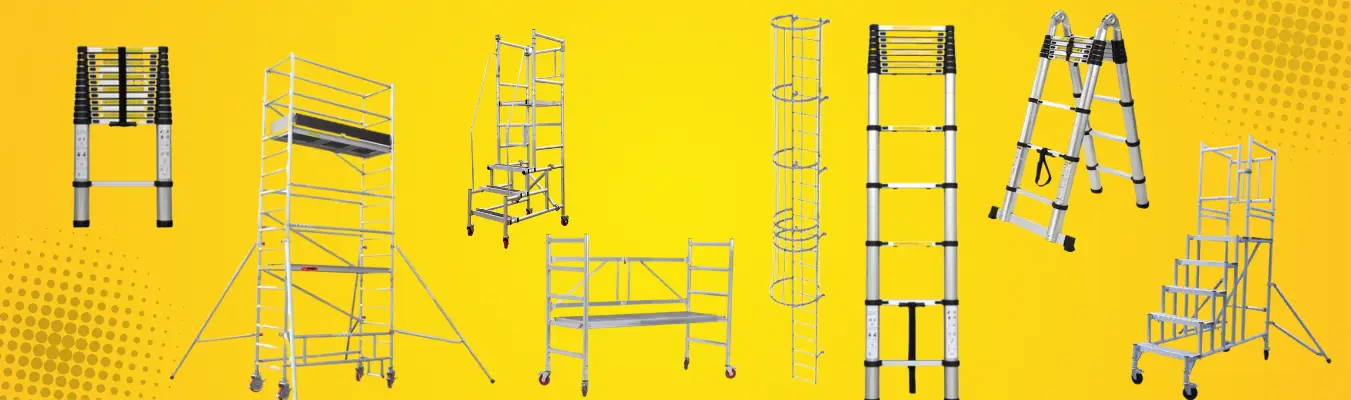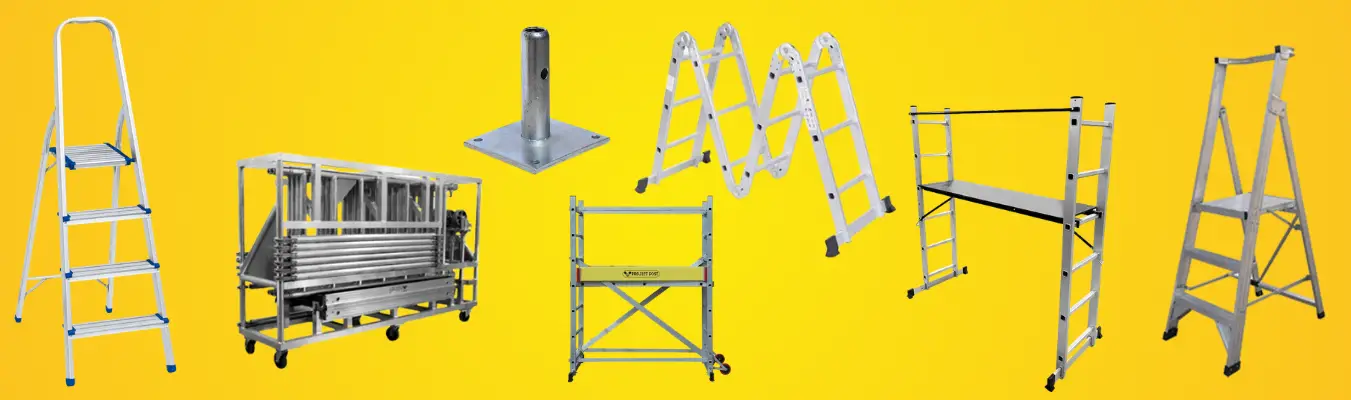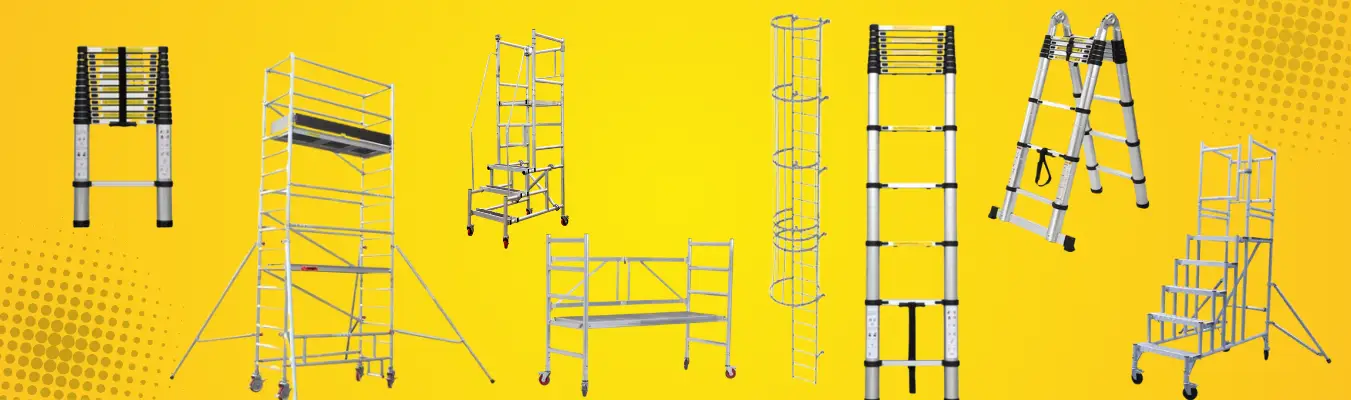
What are the 7 types of scaffolding used in construction

What are the 7 types of scaffolding used in construction

Introduction

Scaffolding is one of the most essential elements in the construction industry. It provides temporary platforms that allow workers to safely perform tasks at height, such as bricklaying, painting, plastering, installation, and repairs. Without scaffolding, construction work on multi-story buildings would be extremely difficult and dangerous.

As construction projects continue to grow in size and complexity, builders rely on different scaffolding systems to meet specific project needs. Each type of scaffolding offers unique advantages depending on the structure, height, and nature of the work.

For example, some scaffolding systems work best for masonry construction, while others are ideal for high-rise buildings or maintenance projects. Therefore, understanding the different types of scaffolding helps contractors choose the safest and most efficient system for their projects.

In Pakistan, modern construction companies increasingly use advanced scaffolding systems to improve safety, productivity, and efficiency. Reliable suppliers such as https://www.pakscaffolding.com/ provide high-quality scaffolding equipment designed for modern construction requirements.

In this guide, we will explore the seven main types of scaffolding used in construction, their features, advantages, and where they are commonly used.


Why scaffolding is important in construction

Before discussing the different types, it is important to understand why scaffolding plays such a crucial role in construction.

First, scaffolding creates a stable working platform for construction workers. As buildings become taller, workers need secure access to upper sections of the structure. Scaffolding allows them to reach these areas safely.

Second, scaffolding helps improve efficiency. Workers can carry tools and materials with them while working at height, which reduces the need for constant movement up and down the building.

Third, scaffolding improves safety on construction sites. Properly installed scaffolding reduces the risk of falls, which is one of the most common causes of construction accidents.

Because of these benefits, contractors must choose the right type of scaffolding for each project.


7-types-of-scaffolding-used-in-construction

The 7 types of scaffolding used in construction

Different construction tasks require different scaffolding systems. Below are the seven most commonly used types of scaffolding in the construction industry.


1. Single scaffolding

Single scaffolding is one of the most traditional types of scaffolding. Builders often use it in brick masonry construction.

This scaffolding consists of a single row of vertical supports called standards, which are placed parallel to the wall. Horizontal supports known as ledgers connect these standards, while putlogs support the working platform.

Single scaffolding is commonly used for:

  • brickwork construction
  • small residential projects
  • plastering and finishing tasks

Although this type is simple and cost-effective, it works best for smaller structures.


2. Double scaffolding

Double scaffolding is mainly used for stone masonry work. Because stone walls are stronger and more difficult to drill into, builders use two rows of scaffolding supports instead of one.

The first row of supports is placed close to the wall, while the second row stands slightly further away. This design creates stronger structural stability.

Double scaffolding provides several advantages:

  • improved strength
  • better stability
  • higher load capacity

Therefore, contractors often choose double scaffolding for heavy construction projects.


3. Cantilever scaffolding

Cantilever scaffolding is used when it is not possible to place scaffolding supports directly on the ground.

In this system, horizontal beams extend from the building structure to support the scaffolding platform. Workers can then stand on the platform to perform their tasks.

Cantilever scaffolding is commonly used when:

  • ground space is limited
  • the ground is weak or unstable
  • construction occurs on busy streets

However, this scaffolding requires careful design and installation to ensure safety.


4. Suspended scaffolding

Suspended scaffolding is widely used for high-rise buildings. In this system, the working platform is suspended from the top of the building using ropes or cables.

Workers can raise or lower the platform depending on the area they need to access.

This type of scaffolding is commonly used for:

  • window cleaning
  • exterior painting
  • façade repairs
  • maintenance work

Suspended scaffolding allows workers to move vertically along tall buildings, making it highly efficient for maintenance projects.


5. Trestle scaffolding

Trestle scaffolding is mainly used for indoor construction work. In this system, the working platform is supported by movable ladders or tripods.

Because trestle scaffolding does not require vertical standards, it is easy to assemble and move.

This scaffolding is typically used for:

  • interior painting
  • electrical installations
  • ceiling repairs
  • indoor maintenance work

However, trestle scaffolding usually supports work up to a limited height, typically around five meters.


6. Steel scaffolding

Steel scaffolding is one of the most durable and widely used scaffolding systems in modern construction.

Manufacturers create this scaffolding using strong steel tubes connected with couplers and fittings. As a result, the structure provides excellent strength and stability.

Steel scaffolding offers several advantages:

  • high load-bearing capacity
  • long lifespan
  • strong structural support

Because of these benefits, construction companies often use steel scaffolding for large projects such as commercial buildings, bridges, and industrial structures.


7. Patented scaffolding

Patented scaffolding refers to modern prefabricated scaffolding systems designed with advanced engineering.

These systems include ready-made components such as frames, platforms, guardrails, and adjustable supports. Workers can assemble these components quickly and easily.

Patented scaffolding offers many advantages, including:

  • faster installation
  • improved safety features
  • adjustable working platforms
  • lightweight construction

Many modern construction companies prefer patented scaffolding because it saves time and improves site safety.


Choosing the right scaffolding for construction projects

Selecting the correct scaffolding system depends on several factors. Contractors must consider the project requirements before choosing the appropriate type.

Some important factors include:

  • building height
  • type of construction work
  • load requirements
  • available ground space
  • project duration

For example, contractors may use suspended scaffolding for high-rise maintenance work, while steel scaffolding may be more suitable for heavy construction projects.

Professional scaffolding suppliers can help contractors select the best system for their projects. In Pakistan, construction companies can explore modern scaffolding solutions at https://www.pakscaffolding.com/.


Safety practices when using scaffolding

Although scaffolding systems provide essential support, workers must follow strict safety guidelines.

First, construction teams should ensure that trained professionals assemble scaffolding according to manufacturer instructions.

Second, workers should inspect scaffolding regularly to identify loose connections, damaged parts, or unstable platforms.

Third, workers should never exceed the recommended load capacity of scaffolding systems.

Finally, construction workers must wear protective equipment such as helmets, harnesses, and non-slip footwear.

Following these safety practices significantly reduces workplace accidents.


The future of scaffolding in construction

The construction industry continues to evolve, and scaffolding technology is improving as well. Modern scaffolding systems now focus on lightweight materials, modular designs, and enhanced safety features.

In the future, construction companies may adopt smart scaffolding systems equipped with safety sensors and monitoring technology. These innovations will help prevent accidents and improve worksite efficiency.

As infrastructure development continues across Pakistan, the demand for modern scaffolding systems will continue to grow.


What are the 7 types of scaffolding used in construction

Conclusion

Scaffolding plays a vital role in construction by providing safe and stable working platforms for workers at height. Different types of scaffolding systems serve different purposes depending on the nature of the project.

The seven main types of scaffolding used in construction include single scaffolding, double scaffolding, cantilever scaffolding, suspended scaffolding, trestle scaffolding, steel scaffolding, and patented scaffolding.

Each system offers unique advantages, and contractors must select the most suitable option based on project requirements.

By using modern scaffolding solutions and following proper safety practices, construction companies can ensure efficient and safe project completion.

For high-quality scaffolding systems designed for modern construction needs, you can explore professional solutions at https://www.pakscaffolding.com/.

Modern scaffolding solutions for safe and efficient construction

Introduction

The construction industry is growing quickly around the world, and Pakistan is no exception. As cities expand and infrastructure projects increase, construction companies must adopt safer and more efficient building methods. One of the most important elements of any construction project is scaffolding.

Scaffolding provides a temporary structure that allows workers to safely reach higher areas of a building. Without proper scaffolding systems, workers cannot perform tasks such as plastering, painting, installation, or repairs at height. Therefore, reliable scaffolding plays a critical role in ensuring both productivity and safety on construction sites.

In the past, builders mostly used traditional wooden or heavy steel scaffolding. However, modern construction projects now require faster, safer, and more flexible solutions. As a result, modern scaffolding systems have become the preferred choice for contractors and engineers.

Today, advanced scaffolding designs offer better stability, quicker installation, and improved worker protection. Moreover, these systems help construction companies complete projects more efficiently while maintaining safety standards.

If you are looking for professional scaffolding solutions in Pakistan, you can explore reliable systems at https://www.pakscaffolding.com/, where modern scaffolding equipment is designed for safe and efficient construction.

This guide explains modern scaffolding systems, their benefits, types, safety features, and their importance in today’s construction industry.


The importance of scaffolding in construction

Scaffolding plays a vital role in construction because it creates safe and stable working platforms at different heights. As buildings become taller and more complex, workers need dependable support structures to perform tasks safely.

For example, workers use scaffolding during:

  • bricklaying
  • plastering
  • painting
  • electrical installation
  • building maintenance

Without scaffolding, workers would face serious safety risks while working at height. Therefore, modern scaffolding systems ensure that workers can move freely while carrying tools and materials.

Additionally, scaffolding improves workflow on construction sites. Workers can access different parts of the building easily, which helps them complete tasks faster.


Evolution of scaffolding systems

Scaffolding technology has improved significantly over the years. In the past, construction teams used simple wooden poles and ropes to create temporary platforms. Although these structures worked, they were often unstable and unsafe.

Later, steel scaffolding replaced wooden systems because it offered better strength and durability. However, steel scaffolding is heavy and requires more time for installation.

As construction technology advanced, engineers developed modern scaffolding systems using lightweight materials and modular designs. Consequently, these systems provide stronger support while remaining easier to assemble.

Today, modern scaffolding solutions combine safety, durability, and efficiency. Contractors can install them quickly and adjust them according to project requirements.


Types of modern scaffolding solutions

Different construction projects require different scaffolding systems. Therefore, modern scaffolding comes in several types designed for specific applications.

Aluminum scaffolding

Aluminum scaffolding has become increasingly popular in modern construction. Because aluminum is lightweight and corrosion resistant, workers can easily transport and assemble these systems.

Furthermore, aluminum scaffolding offers excellent durability even in harsh weather conditions. As a result, construction companies often choose aluminum scaffolding for maintenance work, interior construction, and high-rise buildings.


Mobile scaffolding

Mobile scaffolding systems include wheels that allow workers to move the structure easily from one location to another. Consequently, workers do not need to dismantle the scaffolding each time they change work areas.

For example, painters and electricians frequently use mobile scaffolding for indoor construction work. In addition, maintenance teams use these systems in factories and commercial buildings.


Modular system scaffolding

Modular scaffolding systems use pre-engineered components that connect quickly and securely. Because of this design, contractors can assemble large scaffolding structures in less time.

These systems are commonly used in large construction projects such as:

  • commercial buildings
  • bridges
  • industrial plants
  • infrastructure projects

Moreover, modular scaffolding offers excellent stability, which makes it suitable for complex architectural structures.


Suspended scaffolding

Suspended scaffolding systems hang from the top of buildings using strong cables or ropes. Workers use these platforms mainly for exterior building work.

For instance, technicians often use suspended scaffolding for window cleaning, façade repairs, and building inspections.

Since these platforms can move vertically, workers can easily access different levels of tall buildings.


Benefits of modern scaffolding systems

Modern scaffolding solutions provide many advantages for construction projects. These systems improve safety, increase efficiency, and reduce labor costs.

improved worker safety

First and most importantly, modern scaffolding systems improve safety on construction sites. Manufacturers design these systems with guardrails, stable platforms, and strong locking mechanisms.

Consequently, workers can perform tasks at height with greater confidence and security.


faster project completion

Another major advantage is faster installation. Because modern scaffolding systems use modular components, workers can assemble and dismantle them quickly.

As a result, construction teams save valuable time and complete projects faster.


lightweight and easy transportation

Many modern scaffolding systems use aluminum or advanced alloys. These materials reduce the overall weight of the structure.

Therefore, workers can transport and install scaffolding without heavy machinery. This also lowers labor costs and improves efficiency.


durability and long service life

Modern scaffolding materials resist corrosion, weather damage, and heavy use. Consequently, contractors can reuse the same scaffolding system for multiple projects.

This durability makes modern scaffolding a cost-effective investment for construction companies.


flexibility for different projects

Another benefit of modern scaffolding is its adaptability. Contractors can easily adjust these systems to different heights and shapes.

For example, builders can use the same scaffolding system for residential buildings, commercial projects, or industrial facilities.


Safety guidelines for scaffolding use

Even though modern scaffolding systems include advanced safety features, workers must still follow proper safety procedures.

ensure proper installation

First, trained professionals should assemble scaffolding according to manufacturer guidelines. Incorrect installation can weaken the structure and create safety hazards.


conduct regular inspections

Construction teams should inspect scaffolding regularly. For example, they should check for loose connections, damaged components, and unstable platforms.

Regular inspections help identify problems early and prevent accidents.


train construction workers

Proper training also plays a crucial role in scaffolding safety. Workers should understand how to climb scaffolding safely and follow load limits.

Additionally, they should know how to respond in emergency situations.


use safety equipment

Workers must always wear protective gear when working on scaffolding. This equipment includes:

  • safety helmets
  • harnesses
  • non-slip shoes

These protective measures significantly reduce workplace injuries.


Choosing the right scaffolding supplier

Selecting a reliable scaffolding supplier is essential for construction safety and project success.

A trusted supplier should provide:

  • high-quality scaffolding materials
  • certified safety standards
  • professional consultation
  • reliable delivery services

For construction companies in Pakistan, https://www.pakscaffolding.com/ offers modern scaffolding systems designed for durability, safety, and efficiency.

Working with a professional supplier ensures that construction teams receive dependable equipment for demanding projects.


The future of scaffolding technology

Construction technology continues to evolve rapidly. As a result, scaffolding systems are also becoming more advanced.

In the future, scaffolding solutions may include:

  • smart safety sensors
  • stronger lightweight materials
  • automated installation systems
  • improved modular designs

These innovations will help construction companies build taller and more complex structures while maintaining the highest safety standards.


Conclusion

Modern scaffolding solutions have become essential in the construction industry. They provide safe working platforms, improve productivity, and help contractors complete projects efficiently.

Furthermore, modern scaffolding systems offer durability, flexibility, and easy installation. These advantages make them ideal for residential, commercial, and industrial construction projects.

As Pakistan continues to develop its infrastructure and urban landscapes, the demand for advanced scaffolding systems will continue to grow.

For reliable and high-quality scaffolding solutions, visit https://www.pakscaffolding.com/ to explore professional systems designed for safe and efficient construction.


Complete Guide to Aluminum Scaffolding for Construction Projects in Pakistan

Complete Guide to Aluminum Scaffolding for Construction Projects in Pakistan

Complete Guide to Aluminum Scaffolding for Construction Projects in Pakistan

Aluminum scaffolding has become one of the most widely used support systems in construction, renovation, civil works, and industrial applications across Pakistan. As the industry continues to grow rapidly, builders, contractors, and site managers are constantly looking for safer, faster, and cost-effective solutions — and aluminum scaffolding delivers exactly that.

In this comprehensive guide, we’ll walk you through everything you need to know about aluminum scaffolding — from its benefits and types to safety tips, cost considerations, FAQs, and how it compares to other scaffolding materials.

Note: If you’re looking for high-quality aluminum scaffolding systems for your project, check out Pak Scaffolding — a trusted supplier in Pakistan that focuses on durable and reliable scaffolding solutions for commercial and residential construction.
🔗 https://www.pakscaffolding.com/


1. What Is Aluminum Scaffolding?

Aluminum scaffolding is a temporary elevated structure used to support workers, tools, and materials during construction or maintenance tasks. Unlike traditional steel or timber scaffolding, aluminum scaffolding is made from high-grade aluminum alloys, making it significantly:

  • Lighter
  • More durable
  • Easier to install
  • Corrosion resistant

Because of these attributes, aluminum scaffolding has become extremely popular in Pakistan’s construction sector — especially where safety, mobility, and repeat use matter.

2. Why Choose Aluminum Scaffolding in Pakistan?

In Pakistan, construction projects often face challenges such as:

✔ Harsh weather conditions (heat, rain)
✔ Tight deadlines
✔ Labour shortages
✔ Frequent material handling

Aluminum scaffolding offers solutions to these issues through its unique advantages:

2.1 Lightweight and Easy to Install

One of the biggest benefits of aluminum scaffolding is its lightweight nature. Compared to steel, aluminum weighs almost half, which makes it:

  • Easier to lift and position
  • Faster to assemble and dismantle
  • Less labor intensive

This not only speeds up project timelines but also reduces labor costs — a major advantage for contractors across Pakistan.

Example: A 10-foot section of aluminum scaffold weighs significantly less than steel, allowing workers to handle it without heavy equipment or machinery.


2.2 Highly Durable and Corrosion Resistant

Aluminum does not rust like other metals, making it ideal for Pakistan’s diverse climate — from coastal regions like Karachi to humid northern areas.

The corrosion resistance ensures that aluminum scaffolding lasts longer, even if exposed to:

🌦 Rain
☀ Extreme sun
💨 Dust and pollution

This increases the lifespan of the scaffolding system, which means better return on investment.


2.3 Enhanced Safety and Structural Integrity

Safety is a priority on every construction site. Aluminum scaffolding systems are engineered to provide:

✔ High load-bearing capacity
✔ Stable support for workers and equipment
✔ Secure locking mechanisms
✔ Non-slip walkboards and platforms

This reduces the risk of falls, equipment mishaps, and worksite injuries — which is crucial for compliance with Pakistan’s construction safety standards.


2.4 Lower Transportation & Handling Costs

Because aluminum scaffolding is lightweight and modular, it can be transported easily between sites without needing heavy transport vehicles. Projects in cities like Lahore, Islamabad, or remote rural areas benefit from reduced logistics costs and easier handling.


2.5 Reusable and Eco-Friendly

Aluminum scaffolding can be assembled, disassembled, and reused across multiple construction phases. This helps construction companies reduce:

✔ Waste
✔ Material purchases
✔ Environmental impact

Many contractors prefer aluminum because of its recyclable nature — aluminum can be melted and reused with minimal loss of quality.

3. Types of Aluminum Scaffolding Used in Construction

Depending on the nature of the project and height requirements, contractors in Pakistan use various aluminum scaffold systems:

3.1 Frame Scaffolding

  • Most commonly used
  • Easy assembly with frames and cross braces
  • Ideal for brickwork, plastering, painting

3.2 Mobile Aluminum Scaffolding

  • Mounted on heavy-duty caster wheels
  • Can be moved without dismantling
  • Excellent for indoor and exterior work

3.3 System Scaffolding

  • Compatible with modular systems like ringlock or cuplock
  • Provides enhanced flexibility for complex structures

3.4 Suspension Scaffolding

  • Typically used for high-rise buildings
  • Platform hung from above with ropes/cables

4. How Aluminum Scaffolding Works

Aluminum scaffolding works on a modular assembly concept:

  1. Base Support: Adjustable legs with base plates for stability
  2. Frames: Lightweight aluminum frames are interconnected
  3. Braces: Diagonal or cross braces provide rigidity
  4. Platforms: Planks or decks for workers and tools
  5. Guardrails: Safety rails to prevent falls

The modular design means you can adjust the height and configuration based on:

✔ Floor levels
✔ Project phase
✔ Specific task requirements

This flexibility makes aluminum scaffolding extremely adaptable for residential, commercial, or industrial construction work.


5. Aluminum Scaffolding vs. Steel Scaffolding

FeatureAluminum ScaffoldingSteel Scaffolding
WeightVery LightHeavy
Corrosion ResistanceHighLow (Rusts)
TransportationCost-effectiveCostly
HandlingEasyHarder
LifespanLongModerate
Initial CostModerateLower
SafetyHighRequires more support

In many cases, aluminum scaffolding offers better overall value due to its ease of handling, durability, and improved safety characteristics.


6. Cost Considerations in Pakistan

The price of aluminum scaffolding depends on several factors:

💰 Material grade and thickness
💰 Height and configuration
💰 Accessories included (platforms, guardrails, wheels)
💰 Supplier pricing and delivery

Although aluminum scaffolding has a slightly higher upfront cost than some other options, its long-term savings through reuse, low maintenance, and labor efficiency make it more cost-effective in the long run.

For accurate pricing and consultation tailored to your project’s scope, visit Pak Scaffolding: https://www.pakscaffolding.com/


7. Safety Guidelines When Using Aluminum Scaffolding

Safety is essential on every construction site. Here are some best practices to ensure safe use of aluminum scaffolding:

7.1 Proper Ground Preparation

  • Ensure the ground is level and stable
  • Use base plates or mudsills if needed

7.2 Secure Assembly

  • Follow manufacturer instructions
  • Tighten all locks, pins, and braces correctly

7.3 Load Limits

  • Never exceed the recommended load capacity
  • Assess loads for tools, workers, and materials

7.4 Regular Inspection

  • Inspect scaffolding daily before use
  • Check for loose parts or damage

7.5 Safety Gear

Always equip workers with:

✔ Helmets
✔ Safety harnesses
✔ Non-slip boots

7.6 Weather Precautions

Avoid scaffold use during heavy wind, rain, or lightning conditions.


8. Applications of Aluminum Scaffolding in Pakistan

Aluminum scaffolding is used across many industries and tasks, including:

8.1 Residential Construction

✔ Plastering
✔ Painting
✔ Roofing
✔ Maintenance and repair

8.2 Commercial Buildings

✔ Façade work
✔ Window installation
✔ Structural retrofitting

8.3 Industrial Projects

✔ Plant maintenance
✔ Equipment servicing
✔ Large-scale installations

8.4 Renovation & Restoration

✔ Heritage building repair
✔ Interior upgrade work


9. Pak Scaffolding: Your Trusted Supplier in Pakistan

When it comes to reliable and high-quality aluminum scaffolding, Pak Scaffolding stands out in the industry.

✔ Why Choose Pak Scaffolding?

  • Premium-grade aluminum scaffold systems
  • Tested for strength, stability, and safety
  • Customizable configurations for any project
  • Excellent customer support and consultation
  • Fast delivery across Pakistan

Whether you’re working on a residential site, a commercial high-rise, or an industrial plant, Pak Scaffolding has solutions to match your needs.

🔗 Visit Pak Scaffolding: https://www.pakscaffolding.com/


10. Frequently Asked Questions (FAQs)

Q1: Is aluminum scaffolding suitable for all construction sites?

Yes — aluminum scaffolding is versatile and suitable for residential, commercial, and industrial construction.

Q2: Can aluminum scaffolding handle heavy loads?

Yes — modern aluminum scaffolding is structurally strong and tested to support workers, tools, and materials within specified load limits.

Q3: How much does aluminum scaffolding cost in Pakistan?

Costs vary based on height, accessories, and quantity. Contact Pak Scaffolding for exact pricing.

Q4: Is aluminum scaffolding better than steel?

In many cases, yes — especially for mobility, corrosion resistance, and ease of installation.

Q5: Does it require maintenance?

Minimal maintenance is needed. Regular inspections and cleaning extend its lifespan.

Q6: Can contractors reuse aluminum scaffolding?

Absolutely — aluminum scaffolding is designed for repeated use across multiple projects.

11. Conclusion

Aluminum scaffolding is transforming the way construction projects are executed in Pakistan. Its lightweight design, durability, safety advantages, and adaptability make it a preferred choice for builders, contractors, and engineers across the country.

From residential homes to commercial complexes and industrial facilities, aluminum scaffolding enhances efficiency, protects workers, and saves time and money in the long term.

If you’re planning your next construction project and want a reliable scaffolding partner — quality products, expert guidance, and competitive pricing are just a click away at Pak Scaffolding: https://www.pakscaffolding.com/

Why Builders in Pakistan Prefer Aluminum Scaffolding for Construction Projects

Why Builders in Pakistan Prefer Aluminum Scaffolding for Construction Projects

Construction in Pakistan has been evolving rapidly, with new residential projects, commercial buildings, bridges, high‑rise structures, and infrastructure work popping up across the country. In this dynamic industry, one thing that consistently helps builders, contractors, and site engineers is high‑quality scaffolding — and today, aluminum scaffolding is becoming the preferred choice.

In this blog, we’ll explore why builders in Pakistan prefer aluminum scaffolding for construction projects, how it benefits safety, efficiency, cost, and durability, and what you should look for when choosing aluminum scaffolding for your next project.

We’ll also introduce Pak Scaffolding (https://www.pakscaffolding.com/), answer common FAQs, and help you decide if aluminum scaffolding is the right investment for your construction needs.


Introduction: The Rise of Aluminum Scaffolding in Pakistan

Scaffolding is one of the most essential components of any construction project. It provides temporary platforms, supports workers, equipment, and materials, and ensures safety during building, renovation, and repair work.

Traditionally, steel scaffolding and wooden planks were widely used across Pakistan, especially in older constructions. However, with technological advancements, aluminum scaffolding has gained immense popularity — especially among modern builders who demand performance, safety, and cost‑effectiveness.

What makes aluminum scaffolding so popular? In simple terms, it offers a blend of lightweight strength, quick installation, long service life, and superior safety — which makes it ideal for Pakistan’s diverse construction environment.

Even better, companies like Pak Scaffolding have made high‑quality aluminum scaffolding accessible and affordable for builders all over the country.

👉 Visit: https://www.pakscaffolding.com/ for aluminum scaffolding solutions in Pakistan.


What is Aluminum Scaffolding?

Aluminum scaffolding is a temporary support structure made primarily from aluminum alloy components. These systems include platforms, frames, braces, guardrails, connectors, and accessories that can be assembled to create safe walkways and work platforms at various heights.

Unlike traditional scaffolding made from steel or timber, aluminum scaffolding stands out due to its low weight and high strength, making it easier to transport, assemble, and adjust on‑site.

Why Builders in Pakistan Prefer Aluminum Scaffolding for Construction Projects

1. Lightweight Yet Strong: Ease of Handling

One of the biggest reasons builders in Pakistan prefer aluminum scaffolding is its lightweight nature. Aluminum weighs significantly less than steel, which means:

  • Workers can transport it quickly and with less manpower
  • Assembly and disassembly becomes faster
  • The risk of workplace strain and injuries is reduced
  • Time savings on large projects can be significant

At the same time, aluminum scaffolding is engineered to be structurally strong, supporting heavy loads safely when assembled correctly. It won’t bend or warp easily under working conditions, making it both durable and dependable.


2. Faster Installation Saves Time and Money

Time is money, especially in construction. Projects are often scheduled tightly, and any delay can increase labor costs and slow progress. Aluminum scaffolding provides faster installation compared to heavier steel systems.

Why?

  • Components are easier to lift and position
  • Modular designs fit together quickly
  • Fewer workers are needed to install platforms
  • Adjustments and height changes can be made in minutes

This speed not only accelerates project timelines but also reduces labor costs — a key advantage in countries like Pakistan where construction schedules are tight and deadlines are critical.

3. Excellent Corrosion Resistance

Pakistan’s climate ranges from humid coastal regions in Karachi and Thatta to desert conditions in Sindh and Balochistan and cold regions in the North. Traditional steel scaffolding is prone to rust in moisture and coastal environments, which increases maintenance costs and shortens service life.

Aluminum, on the other hand:

  • Is naturally resistant to rust
  • Requires little to no protective coating
  • Lasts longer with minimal maintenance

This makes aluminum scaffolding especially suited to Pakistani weather conditions and long‑term use without frequent replacements.


4. Enhanced Safety Features

Safety is always a priority in construction. Aluminum scaffolding systems typically include:

  • Guardrails and walk‑through frames
  • Anti‑slip platforms
  • Secured locking systems
  • Stable base plates and adjustable legs

Aluminum’s lightweight design also reduces the risk of strain injuries during assembly. When scaffolding components are standardized and manufactured with precision (as they are with quality providers like Pak Scaffolding), the entire structure becomes more reliable and safer for workers.

5. Cost‑Effective and Long‑Term Savings

At first glance, aluminum scaffolding may appear more expensive than traditional options. But in reality, it provides exceptional long‑term value because:

✔ Faster installation saves labor costs
✔ Reduced maintenance due to corrosion resistance
✔ Longer service life lowers replacement expenses
✔ Easy storage and transportation reduce logistics costs
✔ Higher resale value when still in good condition

For commercial builders and construction companies in Pakistan, these savings add up — making aluminum scaffolding a smarter investment overall.


6. Versatile and Adjustable for Different Projects

Aluminum scaffolding is manufactured as modular systems, meaning the components can be configured in multiple ways depending on the project’s requirements:

  • Multi‑story buildings
  • Sloping or uneven terrain
  • Narrow corridors and spaces
  • Exterior facade work
  • Bridges, stages, or industrial structures

This adaptability makes aluminum scaffolding suitable for residential, commercial, industrial, and infrastructure projects throughout Pakistan — from Islamabad and Lahore to Karachi and Peshawar.


7. Eco‑Friendly and Recyclable

Sustainability is increasingly important in construction. Aluminum is 100% recyclable, so even if a component reaches the end of its life cycle, it can be recycled without losing quality.

This eco‑friendly advantage aligns well with global efforts to reduce waste and promotes responsible construction practices.

Introducing Pak Scaffolding

https://www.pakscaffolding.com/ is one of Pakistan’s trusted suppliers of premium scaffolding systems — especially aluminum scaffolding — serving builders, contractors, and construction companies nationwide.

What Pak Scaffolding Offers:

✔ High‑quality aluminum scaffolding solutions
✔ Expert guidance for scaffolding selection & setup
✔ Durable components manufactured to international standards
✔ Competitive pricing for various project sizes
✔ Delivery across Pakistan

Whether you need lightweight mobile towers, adjustable frames, or complete scaffolding systems for large projects — Pak Scaffolding makes it easier to upgrade your construction efficiency.

👉 Explore solutions at https://www.pakscaffolding.com/


Frequently Asked Questions (FAQs)

1. Is aluminum scaffolding suitable for all types of construction projects?

Yes. Aluminum scaffolding can be customized for residential, commercial, industrial, or infrastructure projects. Its modular design makes it versatile enough for a range of applications.

2. How does aluminum scaffolding compare with steel scaffolding?

Aluminum is lighter than steel, easier to install, and more corrosion‑resistant, but steel may be stronger in very heavy load‑bearing situations. For most construction work in Pakistan, aluminum offers the best balance of strength, portability, and value.

3. Can aluminum scaffolding withstand Pakistani weather conditions?

Absolutely. Aluminum does not rust or corrode like steel, making it excellent for humid coastal areas, rainy seasons, and outdoor conditions across Pakistan.

4. Is it more expensive than traditional scaffolding?

Upfront costs may be higher compared to basic wooden or steel options, but the long‑term savings on labor, maintenance, and replacements make aluminum scaffolding more cost‑effective overall.

5. How long does aluminum scaffolding last?

With proper care and storage, aluminum scaffolding can last many years — often much longer than steel systems that are not well maintained.

6. Where can I source quality aluminum scaffolding in Pakistan?

Reliable suppliers like Pak Scaffolding (https://www.pakscaffolding.com/) offer certified, durable aluminum scaffolding systems tailored to construction needs across Pakistan.


Real Builder Experiences

Many builders across Pakistan have shifted to aluminum scaffolding because of these key advantages:

🏗 “We cut our installation time in half compared to the old steel systems.”
🏗 “No more rust issues even in rainy and coastal areas.”
🏗 “Transporting the frames is so much easier.”

These real benefits reflect why aluminum scaffolding isn’t just a trend — it’s the standard for modern construction safety and efficiency.


Conclusion: Aluminum Scaffolding Is the Smart Choice for Pakistani Construction

The construction landscape in Pakistan is advancing, and builders need tools that match the speed, safety, and quality requirements of modern projects. Aluminum scaffolding delivers on all these fronts — lightweight strength, faster assembly, corrosion resistance, versatility, safety, and long‑term cost savings.

Here’s why builders across Pakistan now prefer aluminum scaffolding:

✅ easier transportation and installation
✅ better worker safety
✅ reduced long‑term costs
✅ less maintenance and rust
✅ flexible use for varied projects

Investing in aluminum scaffolding — especially from trusted providers like Pak Scaffolding (https://www.pakscaffolding.com/) — ensures your projects are safer, faster, and more cost‑efficient.

If you’re planning a building project in Pakistan, now is the time to upgrade your scaffolding solution and experience the benefits first‑hand.


Why Choose Pak Scaffolding?

Based in Karachi, Pakistan, Pak Scaffolding is a leading manufacturer and exporter of premium-quality aluminum scaffolding towers with a strong presence in:

🇵🇰 Pakistan | 🇸🇦 Saudi Arabia | 🇦🇪 UAE


Aluminum Scaffolding Vs Steel Scaffolding: Which Is Better For Construction In Pakistan?

In the fast-growing construction landscape of Pakistan, choosing the right scaffolding system is more than a technical decision — it affects project timelines, worker safety, cost efficiency, and long-term performance. Two of the most widely used scaffolding materials in the industry are aluminum and steel. But which option truly delivers better results for construction projects in Pakistan’s diverse environments and budgets?

In this comprehensive blog, we’ll compare aluminum and steel scaffolding across multiple criteria — from strength and durability to cost, versatility, safety, and local availability. Whether you’re a contractor, builder, engineer, or project manager, you’ll get actionable insights to make the best choice.

We’ll also introduce you to Pak Scaffolding (https://www.pakscaffolding.com/), a trusted provider of high-quality scaffolding solutions in Pakistan, and answer common questions contractors ask before making a decision.


what is scaffolding and why it matters in construction

Scaffolding is a temporary framework used to support workers, tools, and materials during the construction, repair, or maintenance of buildings and structures. It provides a safe working platform at height and enables tasks that would otherwise be dangerous or impossible.

In Pakistan’s construction industry — which includes high-rise buildings, bridges, industrial facilities, and residential complexes — effective scaffolding is crucial for:

  • Worker safety and compliance with standards
  • Efficient workflow and accessibility
  • Project timelines and cost management
  • Structural support during complex operations

The two most popular materials for modern scaffolding are aluminum and steel, each with its own strengths and limitations.


introducing pak scaffolding — reliable scaffolding solutions in pakistan

Before we dive into the comparison, it’s important to highlight one of Pakistan’s leading scaffolding suppliers — Pak Scaffolding.

👉 Visit: https://www.pakscaffolding.com/

Pak Scaffolding specializes in high-quality scaffolding systems, accessories, and installation support tailored for the needs of local builders and contractors. They offer both aluminum and steel scaffolding solutions, engineered to meet safety standards and designed for durability in Pakistan’s climate.

With industry experience, timely delivery, and customer-oriented service, Pak Scaffolding has become a go-to partner for construction projects across Karachi, Lahore, Islamabad, and other major cities.

Whether you need lightweight aluminum towers or heavy-duty steel frames — Pak Scaffolding has you covered.


aluminum scaffolding vs steel scaffolding — a detailed comparison

To decide which material is more suitable for your project, let’s compare them across critical factors.

1. weight and portability

Aluminum scaffolding:

  • Extremely lightweight compared to steel
  • Easier to transport, install, and reposition
  • Reduces labor effort and setup time

Because aluminum weighs up to 70% less than steel, workers can assemble sections without heavy equipment. This is especially useful on fast-paced sites where scaffold platforms must be moved frequently.

Steel scaffolding:

  • Heavier and more rigid
  • Requires more effort and equipment to transport
  • More challenging to move and reposition

While steel’s weight contributes to strength, it makes the system less convenient for projects requiring frequent adjustments.

winner for portability: aluminum scaffolding


2. strength and load-bearing capacity

Steel scaffolding:

  • Higher tensile strength than aluminum
  • Excellent load-bearing capacity
  • Ideal for heavy construction tasks

Steel’s natural rigidity makes it a preferred choice for projects involving heavy loads, industrial structures, and extended durations. When extremely high load capacity is a priority, steel often outperforms aluminum.

Aluminum scaffolding:

  • Lighter but adequate strength for many applications
  • Best suited for medium-duty tasks and general construction
  • Can be reinforced for higher loads

winner for strength: steel scaffolding (for heavy loads)


3. corrosion resistance and weather performance

Pakistan experiences diverse weather — from humid coastal conditions in Karachi to hot dry heat in interior Sindh and Punjab. Corrosion resistance plays a critical role in material longevity.

Aluminum scaffolding:

  • Naturally corrosion-resistant
  • Does not rust in humid or coastal environments
  • Requires minimal protective coating

Steel scaffolding:

  • Prone to rust without proper treatment
  • Needs galvanization or protective coatings
  • Maintenance can increase lifecycle cost

In coastal regions like Karachi and Gwadar, aluminum holds a clear advantage due to its resistance to rust and long-term performance in moist air conditions.

winner for corrosion resistance: aluminum scaffolding


4. cost comparison

Initial purchase cost:

  • Steel: Generally lower upfront material cost
  • Aluminum: Higher upfront cost due to material and manufacturing

Lifecycle cost:

  • Steel: May incur maintenance costs (anti-rust coating, repairs)
  • Aluminum: Lower maintenance, often longer lifespan

Though aluminum may cost more at the start, its low maintenance and durability can lead to reduced long-term expenses.

winner for overall cost: depends on project type and duration

  • Short projects: steel may be cheaper
  • Longer projects or reuse cycles: aluminum may be more cost-effective

5. installation time and labor

Aluminum scaffolding:

  • Quicker to assemble due to lightweight nature
  • Reduces labor fatigue and setup time
  • Improves workflow on busy construction sites

Steel scaffolding:

  • Slower assembly
  • Requires more workers or equipment
  • More time-intensive adjustments

For fast-paced timelines — especially in urban builds — aluminum often offers practical time savings.

winner for installation speed: aluminum scaffolding


6. safety performance

Both aluminum and steel scaffolding can be designed with robust safety features like guardrails, toe boards, and secure couplers. However:

  • Aluminum’s lighter weight reduces strain and risk during assembly
  • Steel’s rigidity may offer more stability under extreme loads

Safety always depends on proper installation, inspection, and use of certified components — regardless of material.

winner for overall safety: tie (with proper protocols)


7. reuse and resale value

Aluminum scaffolding:

  • Easier to disassemble and reuse for future projects
  • Strong resale market due to light, corrosion-free condition

Steel scaffolding:

  • Good resale but may degrade faster due to corrosion
  • More effort required to refurbish

If you plan to reuse or resell your scaffolding equipment after a project, aluminum often retains better value.

winner for reuse & resale: aluminum scaffolding

when to choose aluminum scaffolding

Aluminum scaffolding is ideal if your project:

✅ requires mobility and frequent repositioning
✅ needs fast assembly and teardown
✅ is in coastal or humid areas
✅ needs lower maintenance scaffolding
✅ has medium-duty load requirements

Examples of perfect use cases:

✔ residential buildings
✔ renovation projects
✔ interiors and light residential lifts
✔ commercial office fit-outs
✔ anywhere rust resistance is needed


when to choose steel scaffolding

Steel scaffolding is the better choice if your project:

🔥 involves heavy loads
🔥 requires extremely rigid support
🔥 is industrial or infrastructure-focused
🔥 budget limits initial material cost

Examples:

✔ bridges and highway projects
✔ heavy civil construction
✔ long-span industrial buildings
✔ very tall structures with heavy material transfer


benefits of aluminum scaffolding in pakistan

⚡ lightweight and easy handling

Aluminum scaffolding panels are significantly lighter than steel — making installation faster and reducing labor efforts.

🌊 excellent corrosion resistance

No rust even in coastal cities like Karachi or humid monsoon conditions.

🛠 low maintenance

No need for painting or anti-corrosion treatments.

⏱ increased efficiency

Quick setup, teardown, and repositioning save time and cost.

💰 better long-term investment

Higher reuse potential and resale value.

📈 ergonomic advantage

Workers experience less fatigue during assembly and disassembly.

These advantages make aluminum a top choice for many modern construction projects across Pakistan.


🌍 Why Choose Pak Scaffolding?

Based in Karachi, Pakistan, Pak Scaffolding is a leading manufacturer and exporter of premium-quality aluminum scaffolding towers with a strong presence in:

🇵🇰 Pakistan | 🇸🇦 Saudi Arabia | 🇦🇪 UAE
frequently asked questions (faqs)

1. is aluminum scaffolding strong enough for heavy construction?

Aluminum scaffolding is strong and safe for many types of construction tasks. However, for extremely heavy loads — like industrial or infrastructure projects — steel may provide higher load capacity. Aluminum can be reinforced with extra bracing if needed.


2. which type of scaffolding is cheaper in pakistan?

Steel scaffolding usually has a lower upfront cost, but aluminum may save money over time due to lower maintenance and longer lifespan. The best choice depends on project duration and usage frequency.


3. how long does aluminum scaffolding last?

With proper use and storage, aluminum scaffolding can last 10+ years or more, especially because it doesn’t rust or corrode easily.


4. can aluminum scaffolding be reused many times?

Yes. One of aluminum’s biggest advantages is its durability and lightweight composition, which makes it easy to dismantle and reuse across multiple projects.


5. is aluminum scaffolding safe in extreme weather?

Yes. Aluminum scaffolding performs well in heat, rain, and coastal humidity. However, like all scaffolding systems, it must be properly installed and secured to ensure maximum safety.


6. where can i buy aluminium and steel scaffolding in pakistan?

You can get high-quality aluminum and steel scaffolding from reputable suppliers like Pak Scaffolding — offering units, accessories, and installation support. Visit: https://www.pakscaffolding.com/


conclusion — which is better for construction in pakistan?

Choosing between aluminum and steel scaffolding isn’t a one-size-fits-all decision. It depends on:

✔ project type
✔ budget
✔ load requirements
✔ duration
✔ location and weather conditions

Aluminum scaffolding stands out for its lightweight design, corrosion resistance, versatility, and long-term value — making it ideal for many residential and commercial projects throughout Pakistan.

Steel scaffolding remains unbeatable where maximum load capacity and rigid support are required — especially in heavy civil or industrial construction.

For the best of both worlds, many contractors even use a combination of aluminum and steel systems depending on specific needs.


partner with pak scaffolding for superior scaffold solutions

If you’re planning a construction project, don’t compromise on safety or performance. Pak Scaffolding offers reliable, high-quality aluminum and steel scaffolding systems tailored for Pakistani projects. Their experienced team can help you select the right solution, install it safely, and ensure long-lasting performance.

👉 Explore their offerings: https://www.pakscaffolding.com/

What is scaffolding and its types?

Introduction

Scaffolding plays a vital role in the construction industry. It provides workers with a safe and stable platform to perform tasks at height. As a result, construction teams complete projects more efficiently and with fewer risks. From residential buildings to large commercial sites, scaffolding supports smooth and secure workflows.

At pakscaffolding, we deliver strong and reliable scaffolding solutions for construction projects across Pakistan.

What is scaffolding?

Scaffolding is a temporary structure that workers use to reach high or difficult areas. Builders assemble it using steel tubes, wooden planks, or metal frames. Moreover, scaffolding supports workers, tools, and materials during construction, repair, and maintenance work.

Importance of scaffolding in construction

Scaffolding improves safety and productivity on construction sites. For example, it allows workers to maintain balance while working at height. In addition, it reduces physical strain and helps teams complete tasks faster.

Scaffolding:

  • protects workers from falls and injuries
  • provides safe access to elevated areas
  • increases work speed and efficiency
  • supports construction tools and materials
  • reduces project delays caused by safety issues

Types of scaffolding

Construction teams choose different types of scaffolding based on site conditions and project needs. Therefore, understanding these types helps in selecting the right system.

1. Single scaffolding

Builders commonly use single scaffolding for brick masonry work. It consists of vertical standards and horizontal ledgers that connect directly to the wall.

2. Double scaffolding

Workers use double scaffolding for stone masonry projects. Because stone walls cannot support putlogs, this type provides extra strength and stability.

3. Cantilever scaffolding

Teams use cantilever scaffolding when ground space remains limited. Instead of placing standards on the ground, workers fix needles into the building for support.

4. Suspended scaffolding

Workers hang suspended scaffolding from the roof using ropes or chains. As a result, they can easily perform painting, cleaning, and maintenance tasks on tall buildings.

5. Mobile scaffolding

Mobile scaffolding includes wheels that allow easy movement. Therefore, workers prefer it for indoor work and short-term maintenance jobs.

6. Steel scaffolding

Steel scaffolding offers high strength and long-term durability. Moreover, construction companies across Pakistan widely use it because it meets modern safety standards.

6. Expertise

🛠️ Technical Specifications You Should Know

When selecting an aluminum mobile tower, consider:

FeatureSpecification Example
Height Range4 ft to 40 ft
Platform Load Limit200–250 kg
Frame Width0.75 m / 1.2 m
Material GradeAircraft-grade aluminum alloy
CertificationsISO, EN1004, OSHA Compliant
Platform SizeCustomizable

Pak Scaffolding provides towers that comply with international standards, ensuring top-tier safety.

Conclusion

Understanding scaffolding and its types helps in choosing the right system for your construction project. Proper scaffolding ensures safety, productivity, and smooth workflow. Pakscaffolding offers professional scaffolding solutions that meet safety standards and project demands throughout Pakistan.